
A professional ceramic coating is one of the best ways to help protect your vehicle’s paint while making it easier to clean and maintain. It creates a durable, hydrophobic layer that helps resist dirt, water, and everyday environmental contaminants while enhancing your paint’s gloss.
But, like any form of vehicle protection, ceramic coating needs proper care to perform as intended.
So, what should you do after picking up your freshly coated vehicle? How often should you wash it? And how do you know when it’s time for a maintenance service or a new application? We're here to answer all of those questions.
If you're new to ceramic coating and want to know how it works and what it does for your vehicle, start with our What Is Ceramic Coating? guide.
If you're already familiar with the benefits, here's what to expect throughout the life of your ceramic coating.
The Day You Pick Up Your Vehicle: Let the Coating Cure
Your vehicle will look glossy and ready for the road when you pick it up, but ceramic coating needs time to cure after application. While curing, the coating will continue to harden and bond to the paint.
The exact curing period varies by product and environment, so always follow the instructions provided by your installer. Depending on the coating, you may need to keep your vehicle dry for an initial period and avoid washing it for several days or even a few weeks.
During the Curing Stage:
- Avoid washing your vehicle. Don't use soap, wash mitts, or cleaning chemicals until the recommended period has passed. This allows time for the coating to fully harden.
- Keep it away from water whenever possible. Rain, sprinklers, and standing water can interfere with some coatings during the curing process and may leave water spots.
- Avoid automatic car washes. The brushes can introduce scratches and the chemicals used are often too aggressive.
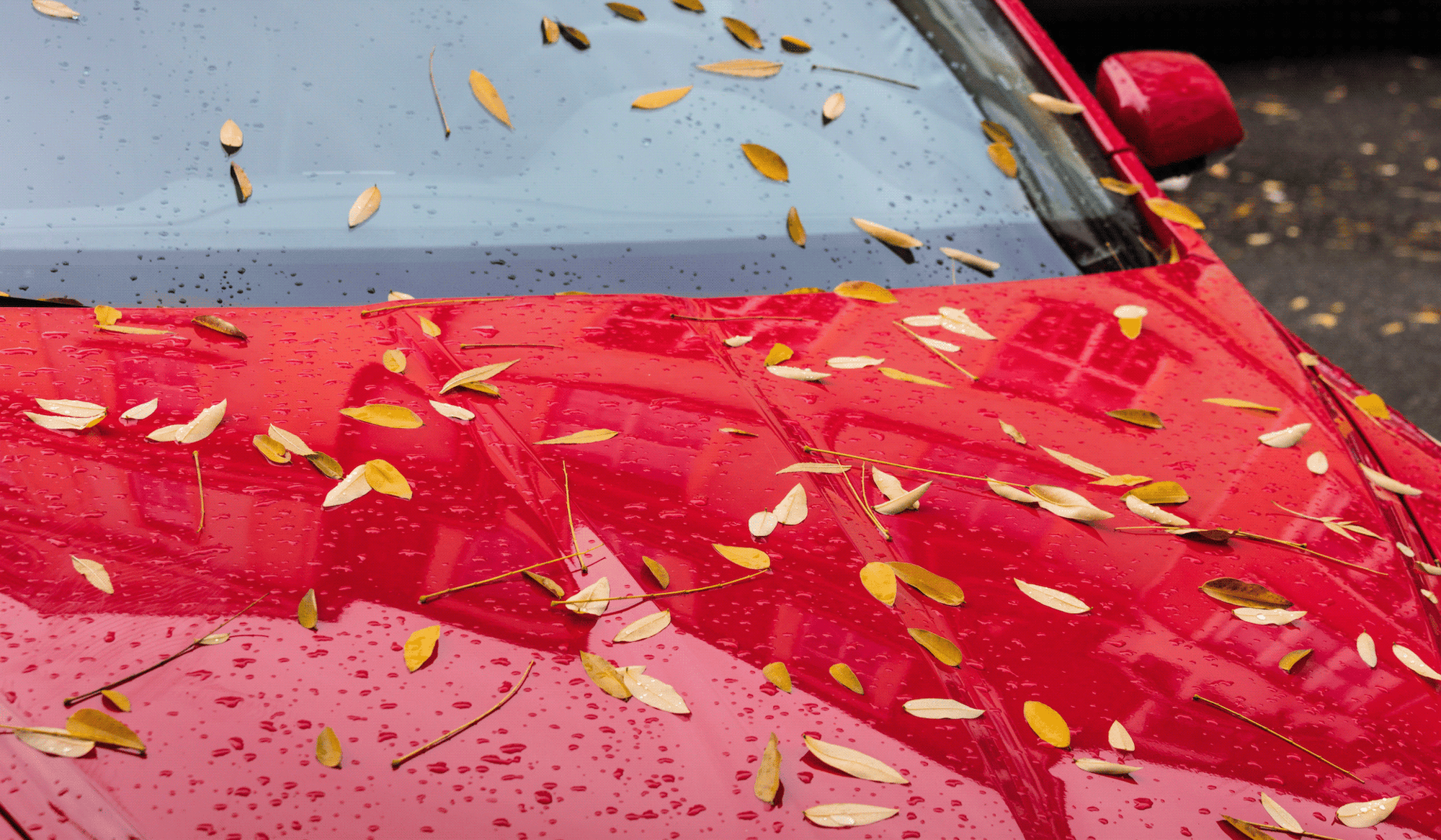
- Watch for contaminants. Bird droppings, bug splatter, and tree sap should not be left sitting on the paint. If something gets stuck on the vehicle, contact your installer for guidance on safe removal while the coating cures.
The most important thing during this stage is patience. Giving the coating time to cure helps set it up for long-term performance.
The first few weeks
The First Few Weeks: Establish Good Habits
Once the initial curing period is over, you can use your vehicle as usual and begin a regular maintenance routine.
A ceramic coating makes cleaning easier, but it doesn't make your vehicle self-cleaning. Dirt, road grime, pollen, brake dust, and other contaminants can still accumulate on the surface. Regular washing helps prevent buildup and keeps the coating performing as it should.
There are a few habits to establish early:
- Wash regularly. For a frequently driven vehicle, a wash every one to two weeks is a good starting point. Depending on driving conditions and storage environment, you may need more or less frequent cleaning.
- Use a ceramic coating-safe car shampoo. Choose a pH-neutral automotive shampoo without added waxes or harsh chemicals.
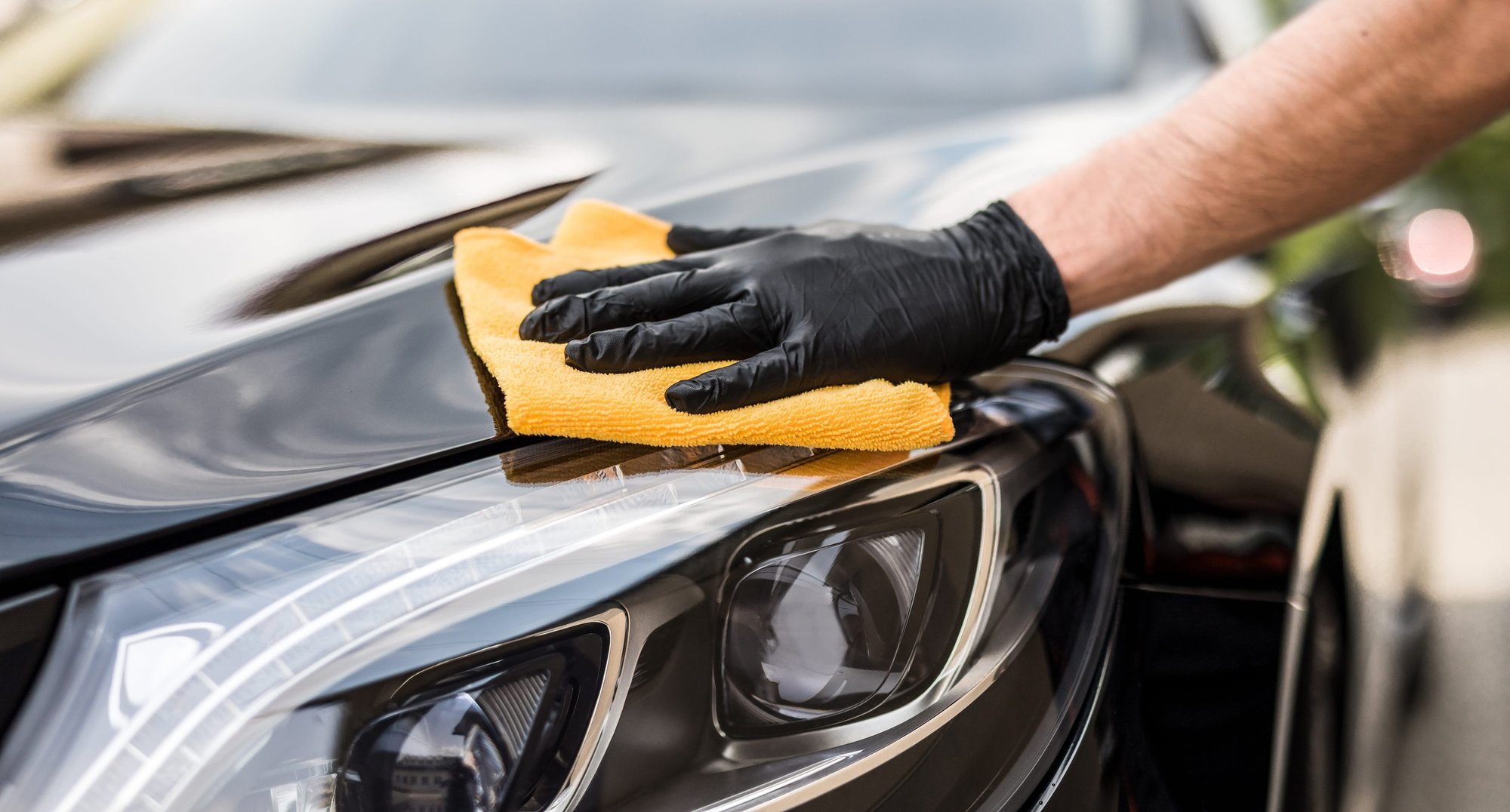
- Use safe washing techniques. Minimize the risk of introducing scratches to the finish by carefully hand washing with clean microfiber wash mitts and proper wash methods.
- Dry the vehicle properly. Don't leave water sitting on the paint. Use a clean, soft microfiber drying towel or a gentle air dryer to help prevent water spots.
- Avoid brush-style automatic car washes. Repeated contact with dirty, abrasive brushes can cause swirl marks and affect your finish.
The goal is simple: Remove contaminants without stressing the coating or the paint underneath it.
A professional detail is a great way to keep your vehicle in top condition. A detail performed with coating-safe products and techniques helps remove built-up contaminants and give an expert the opportunity to assess the condition. It's especially helpful if you're unsure which products or washing methods are best for your particular coating.
Want to give your vehicle the care it deserves? Schedule a professional detail with the CarLocker team. We'll keep your finish clean, protected, and looking its best.
Every Few Months: Keep an Eye on Performance
One of the most noticeable benefits of ceramic coating is its hydrophobic behavior. Water beads up and rolls off the surface, carrying dirt away and making the vehicle easier to clean.
Over time, you may notice that water doesn't roll off as well as it did when the coating was first applied. But that doesn't automatically mean the coating has failed.
A buildup of road grime, minerals, and other contaminants can affect the coating's surface behavior. In many cases, the coating only needs a proper cleaning or professional decontamination to restore its performance.
When assessing your coating, pay attention to:
- Water behavior: Does water still bead or sheet off your paint?
- Ease of cleaning: Does dirt rinse away easily, or does the surface hold onto grime?
- Surface feel: Does the surface feel rough after washing?
- Overall appearance: Does the finish still have the gloss and clarity you expect?
If you notice performance has changed, don't immediately assume it's time to reapply. A professional inspection can help determine whether the surface needs cleaning, decontamination, maintenance, or additional attention.
Every 6–12 Months: Consider Professional Maintenance Service
Even with consistent at-home care, a ceramic-coated vehicle can benefit from regular professional maintenance.
Depending on the type of coating and how you use the vehicle, an inspection or maintenance service every 6-12 months is a good way to evaluate its condition.
Professional maintenance services may include:
-
A thorough wash with safe products.
- The removal of bonded contaminants.
- An evaluation of coating performance.
- Application of coating maintenance products, as needed.
- Recommendations for additional vehicle care if necessary.
Regular maintenance is a great way to address issues before they become bigger problems. Even if your surface requires some attention, your coating may still be in good condition.
When is it time to reapply ceramic coating?
Ceramic coatings are designed to last, but they aren't permanent. Their lifespan depends on the product, how it's applied, driving frequency, storage conditions, and maintenance routine.
You may want to have your vehicle evaluated for reapplication when:
- Water doesn't bead or sheet effectively, even after washing and decontamination.
- The surface doesn't clean easily.
- The coating has reached the end of its stated service life.
- The vehicle has been used heavily, exposed to harsh environments, or inconsistently maintained.
- A professional confirms that the coating is no longer performing as intended.
It's important to have a professional determine whether your coating needs maintenance or if it has reached the end of its useful life. Applying another layer of ceramic coating over an existing one isn't always the right answer. The condition of the paint and remaining coating should be evaluated first.
Protecting Your Investment Doesn't Stop at Application
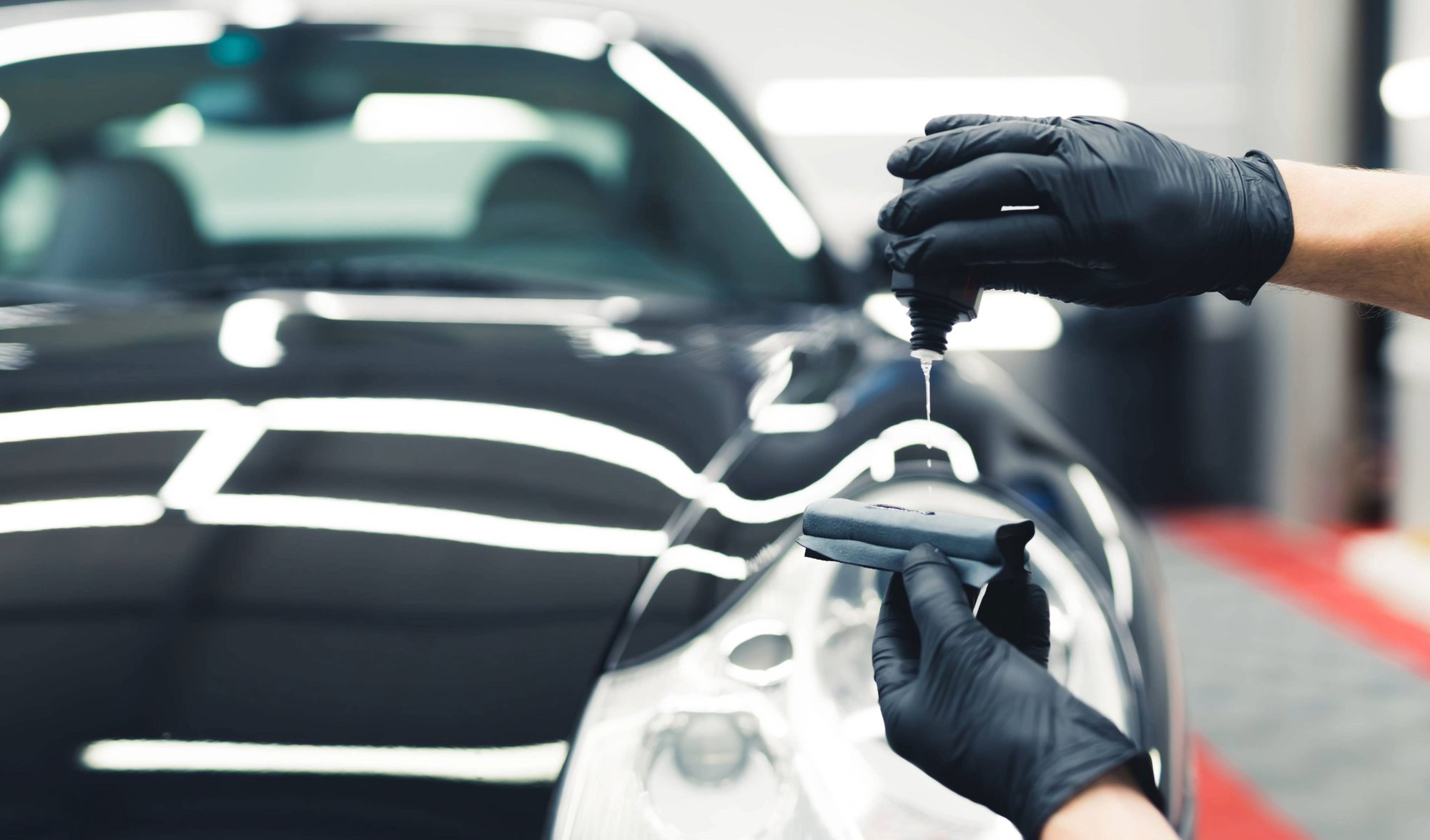
Ceramic coating gives your vehicle an added layer of protection, a deep glossy finish, and a surface that's easier to maintain. But getting the most out of it comes down to what happens after installation.
Follow the initial curing instructions, wash the vehicle regularly with the right products and techniques, and have the coating evaluated periodically. With the right care, you can help preserve performance and keep your ride looking its best for years to come.
At CarLocker, we understand that protecting your vehicle is about more than the service itself. It's about having the right people, products, and maintenance approach to care for it long-term.
Whether your vehicle needs a professional ceramic coating or an evaluation of an existing one, our team is here to help.
Want to learn more? Give us a call at 727-353-5625 or schedule an appointment today.