
Keeping a vehicle looking its best takes work. Every drive exposes it to water, dirt, road grime, UV exposure, bird droppings, bug splatter, and other environmental contaminants.
Ceramic coating provides a long-lasting layer of surface protection designed to help preserve your vehicle's finish and make it easier to maintain.
For luxury, exotic, classic, collector, and enthusiast vehicles, ceramic coating can be especially valuable. Ceramic coating enhances gloss and creates a hydrophobic surface, making your vehicle easier to clean and maintain.
Ceramic coating is a liquid-applied protective coating that bonds to a vehicle's exterior surfaces. Once properly applied and cured, it creates a durable, transparent layer over the finish.
Traditional waxes and sealants provide short-term protection. Professional ceramic coatings are designed to last significantly longer.
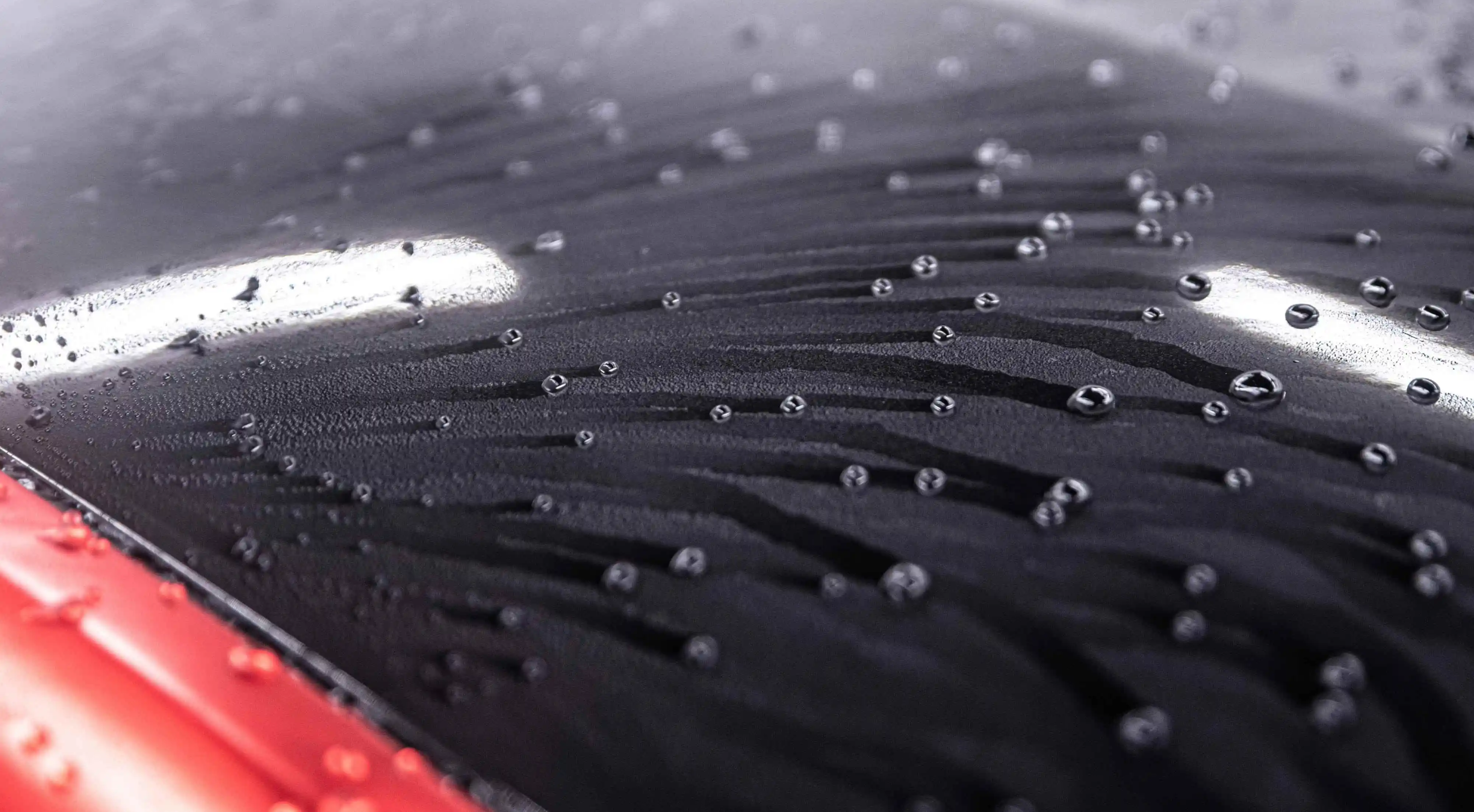
Ceramic coating is known for its slick, hydrophobic surface. When water comes into contact with the coating, it beads up and rolls away, taking some dirt and contaminants with it.
At the same time, ceramic coating enhances the depth and gloss of paint, giving your vehicle a smooth, freshly detailed appearance.
Put simply, ceramic coating helps protect your finish, enhance its appearance, and make your vehicle easier to maintain.
Your vehicle's exterior is constantly exposed to the environment, even when you're careful about where and how you drive it. Ceramic coating creates an additional barrier over your vehicle's finish.
Ceramic coating can help protect against:
Its surface also makes it more difficult for contaminants to bond directly to the vehicle's finish, making routine cleaning easier.
However, it's important to understand what ceramic coating doesn't do.
Ceramic coating does not make a vehicle scratch-proof. It doesn't provide substantial protection against rock chips or physical impacts. For those hazards, Paint Protection Film (PPF) provides a thicker physical barrier.
One of the biggest reasons vehicle owners choose ceramic coating is its hydrophobic performance.
A hydrophobic surface repels water rather than allowing it to spread flat across the panel. On a ceramic-coated vehicle, you'll often see water gather into tight beads that move easily across the surface.
Because the coated surface is slicker, water, dirt, mud, and grime have a harder time sticking to it. That can help the vehicle stay cleaner between washes and make routine cleaning easier.
Yes. Enhanced gloss is a major benefit of ceramic coating.
A properly prepared and coated surface can appear deeper, richer, and more reflective. On well-maintained paint, ceramic coating can enhance clarity and create the high-gloss appearance of a freshly detailed vehicle.
But the quality of the paint underneath the coating matters. Ceramic coating doesn't hide scratches, swirl marks, oxidation, or other paint defects. Coating a poorly prepared surface can actually preserve those imperfections underneath it.
Not every vehicle needs paint correction before ceramic coating, but every vehicle does need proper preparation.
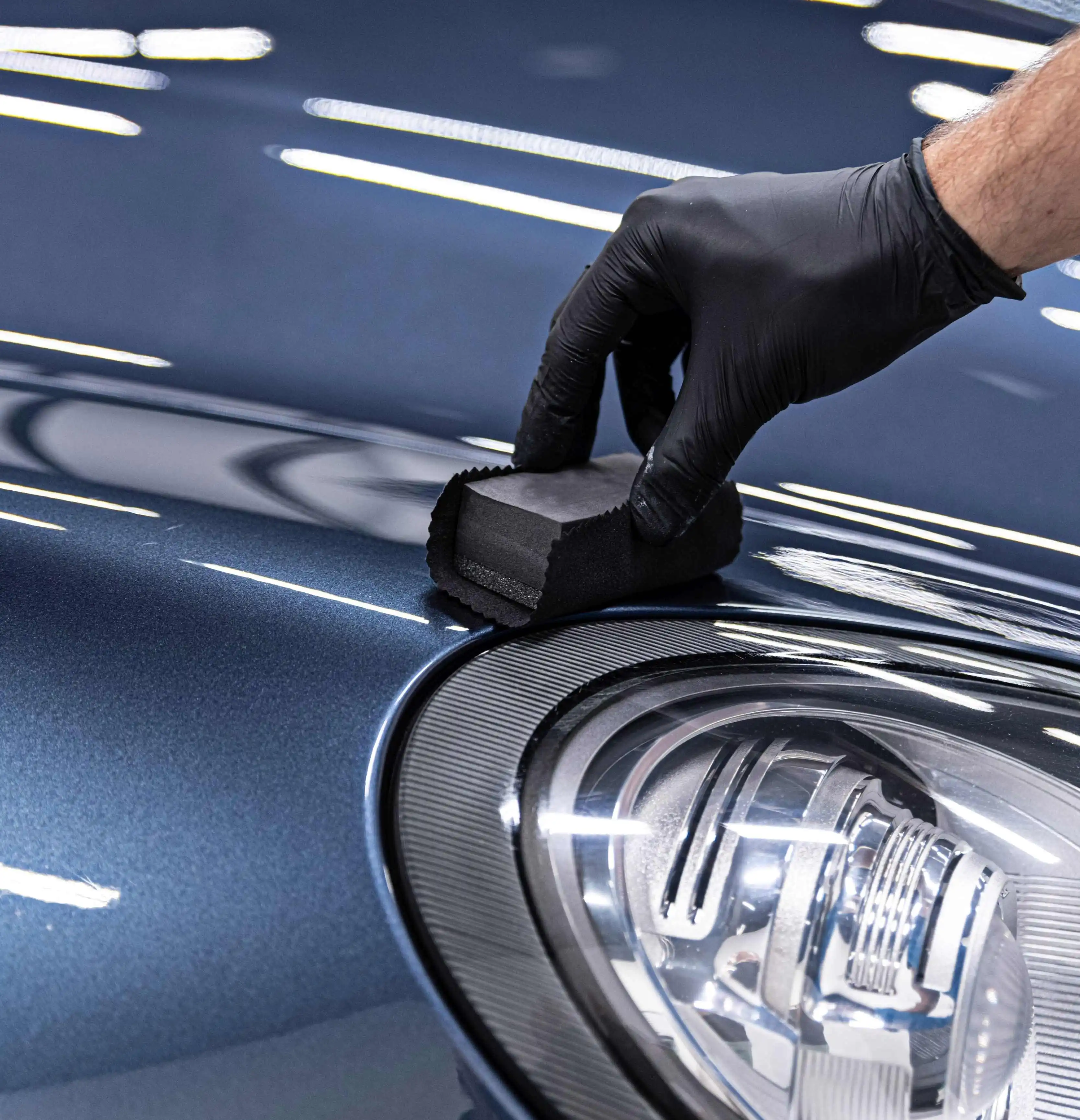
Before a coating is applied, the exterior should be thoroughly cleaned and decontaminated so the product can properly bond to the surface.
If your paint has swirl marks, haze, oxidation, scratches, or other visible imperfections, paint correction may be recommended before the coating is installed.
If the paint is damaged, correcting imperfections before applying the coating can produce a significantly better result.
At CarLocker, we always complete a paint assessment and share our professional recommendation before ceramic coating applications. Our priority is protecting your vehicle and ensuring you get the results you're looking for.
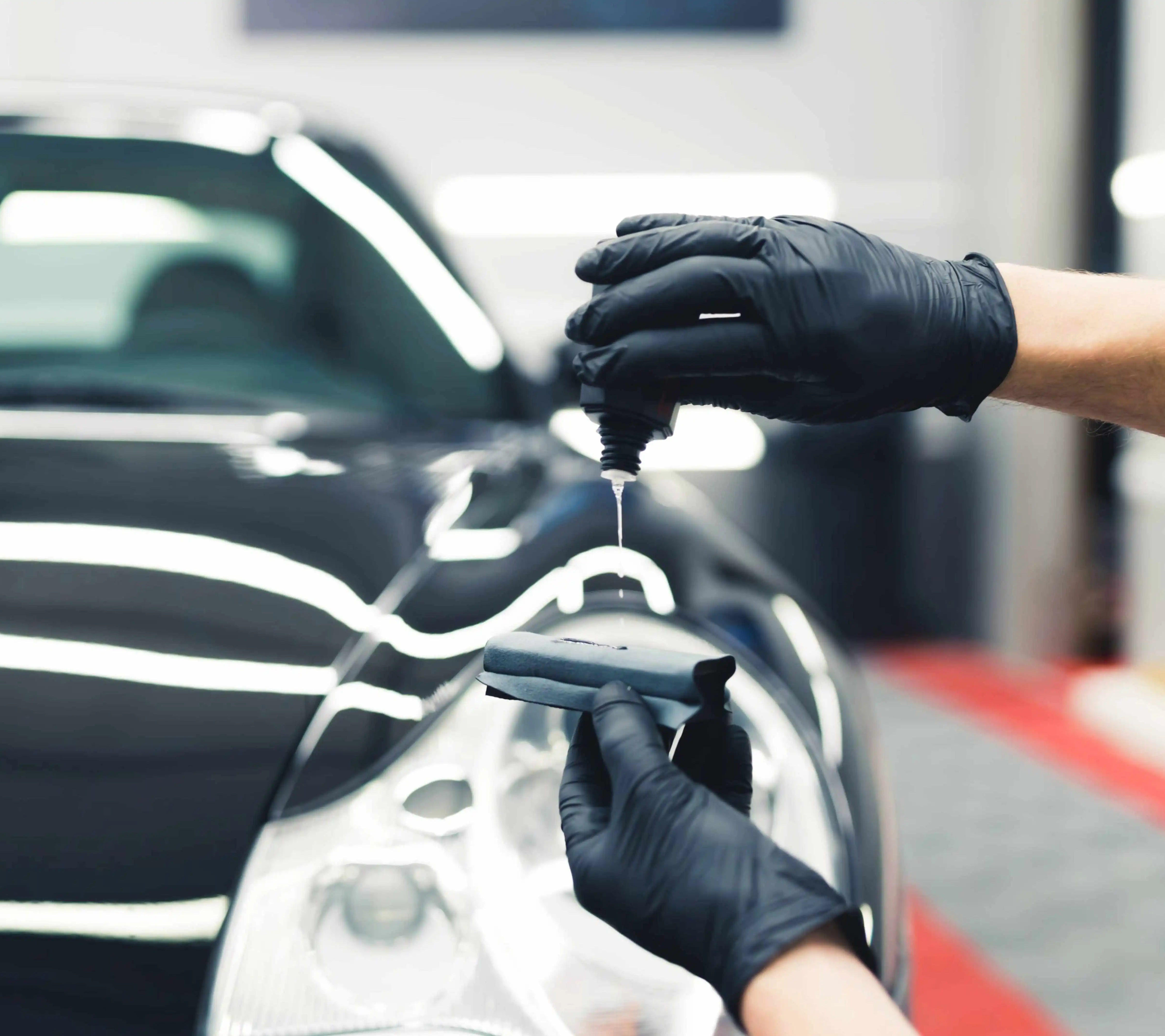
A professionally applied ceramic coating can provide protection for several years, although the exact lifespan depends on the type of coating used and how the vehicle is driven, stored, and maintained.
Several factors can affect the longevity of ceramic coating:
Proper maintenance helps preserve the coating's hydrophobic performance, gloss, and level of protection.
Ceramic coating may be particularly worthwhile if you:
Ceramic coating isn't maintenance-free protection. Your vehicle still needs proper washing and care.
What it can do is make maintenance easier while providing long-term surface protection and enhancing the appearance of the finish.
For owners who care about how their vehicle looks, that combination can make ceramic coating a worthwhile investment.
Traditional auto wax and ceramic coating both enhance a vehicle's appearance and provide a degree of surface protection, but they differ significantly in durability and performance.
Wax sits on the surface of the paint and provides relatively short-term protection. It can enhance shine and provide some water repellency, but it needs to be reapplied regularly.
Ceramic coating chemically bonds to the surface and is designed to provide much longer-lasting protection.
It also typically offers stronger hydrophobic performance, greater resistance to environmental contaminants, and easier ongoing maintenance.
Wax can still be a good option for owners who enjoy frequently detailing their vehicles or want temporary protection.
Ceramic coating is better suited to owners looking for a more durable, long-term solution.
Ceramic coating and Paint Protection Film are often compared, but they solve different problems.
Ceramic coating primarily provides surface protection. It creates a slick, hydrophobic finish that helps repel water and contaminants, enhances gloss, and makes the vehicle easier to maintain.
PPF primarily provides physical protection. It's a thicker urethane film that helps defend the paint against rock chips, road debris, scratches, scuffs, and abrasions.
If you're primarily concerned about physical damage, PPF provides the stronger defense. If your priorities are enhanced gloss, environmental resistance, and easier maintenance, ceramic coating is the better fit.
For owners looking for more comprehensive protection, the two can work together.
PPF can be installed to provide physical protection and a compatible ceramic coating can be applied over the film to add hydrophobic performance, gloss, and easier maintenance.
It doesn't have to be PPF or ceramic coating. Depending on the vehicle and your priorities, the answer can be both.
The coating itself is only one part of a quality ceramic coating service. Preparation, paint condition, application technique, working environment, and curing all affect the finished result.
Applying a professional coating over contamination or paint defects can lock those imperfections beneath it. Improper application can also lead to uneven areas, streaking, or high spots that affect the finished appearance.
At CarLocker, ceramic coating is performed in our dedicated St. Petersburg facility by a team experienced in caring for luxury, exotic, classic, collector, and enthusiast vehicles.
Before coating is applied, we evaluate the vehicle's finish and determine the preparation necessary to achieve the best result. Our in-house experts can perform paint correction as needed before coating is applied.
When you're protecting a vehicle you care about, the goal shouldn't simply be to put a coating on the paint. It should be to make sure the finish underneath is worth protecting.
Ceramic coating combines long-lasting surface protection with one of the most satisfying benefits in vehicle care: a finish that looks incredible and can be kept that way.
Whether you're protecting a brand-new vehicle, maintaining a weekend car, or refreshing a longtime favorite, ceramic coating can help preserve the finish while enhancing the depth, gloss, and hydrophobic performance of the surface.
At CarLocker, we'll evaluate your vehicle and help determine the preparation and ceramic protection that make sense for its condition and how you use it.
Interested in ceramic coating for your vehicle? Contact CarLocker in St. Petersburg to discuss your vehicle and request a custom quote.
Ceramic coating creates a durable protective layer over a vehicle's finish. It helps repel water and environmental contaminants, enhances gloss, and creates a slicker surface that is easier to clean and maintain.
Professional ceramic coatings can last for several years, but longevity depends on the coating, application, driving conditions, storage, washing methods, and maintenance. Proper care can help maximize the coating's performance and lifespan.
Ceramic coating does not make a vehicle scratch-proof. It may offer some resistance to very light surface marring, but it doesn't provide the physical impact protection of Paint Protection Film. PPF is the better choice when protection against rock chips and more substantial scratches is the priority.
No. Ceramic coating isn't designed to provide substantial protection against rock chips or road debris. Paint Protection Film is specifically designed to provide a thicker physical barrier against those types of impacts.
Yes. Compatible ceramic coatings can be applied over PPF. The PPF provides physical protection while the ceramic coating can add hydrophobic properties, gloss, and easier maintenance.
Use safe hand-washing techniques and a quality automotive shampoo, and avoid abrasive products or automatic washes with brushes. Regular washing and proper drying help maintain the coating's hydrophobic performance and appearance.
Yes. New and used vehicles can both be ceramic coated. Older vehicles should first be evaluated and properly prepared, and paint correction may be recommended depending on the condition of the finish.